Discovering the Nutritional Value of Pure Maple Syrup: A Sweet Journey into Maple Syrup Nutrition Facts
When I first drizzled pure maple syrup over my morning pancakes, I was captivated not just by its rich, amber glow but by the story it told. This golden elixir, harvested from the heart of maple trees, carries more than just sweetness. It holds a treasure trove of nutrients and a legacy of tradition. Today, I invite you to join me in exploring the maple syrup nutrition facts and uncovering the wholesome goodness packed inside every drop.
Understanding Maple Syrup Nutrition Facts: What’s Inside That Bottle?
Pure maple syrup is often celebrated for its natural sweetness, but it’s also a surprisingly nutritious addition to your pantry. Unlike refined sugars, maple syrup contains a variety of vitamins, minerals, and antioxidants that contribute to its unique profile.
Here’s a quick glance at what you’ll find in a typical serving (about 1/4 cup or 60 ml) of pure maple syrup:
Calories: Approximately 210
Carbohydrates: 53 grams (mostly natural sugars)
Calcium: Around 100 mg (about 10% of daily value)
Potassium: Roughly 200 mg
Zinc: About 2 mg (15% of daily value)
Manganese: A whopping 1.7 mg (75% of daily value)
Iron: Small amounts, contributing to daily intake
What makes maple syrup stand out is its rich manganese content, essential for bone health and metabolism. It also offers zinc, which supports immune function, and antioxidants that help combat oxidative stress.
Unlike artificial sweeteners or refined sugars, pure maple syrup is minimally processed, preserving these nutrients and its natural flavor. So, when you pour it over your favorite dishes, you’re not just adding sweetness—you’re adding a touch of nourishment.

How to Incorporate Maple Syrup into Your Diet for Maximum Benefit
Now that we’ve peeked into the maple syrup nutrition facts, you might wonder how to enjoy it healthily. Maple syrup is versatile and can be used beyond pancakes and waffles. Here are some tasty and practical ways to include it in your meals:
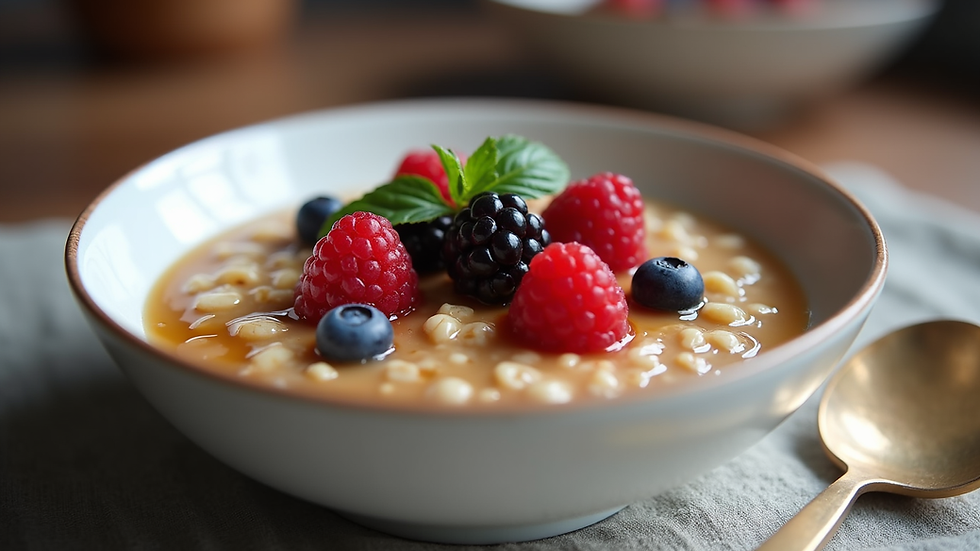
Sweeten Your Morning Oatmeal or Yogurt: A drizzle of maple syrup adds warmth and depth without overpowering the natural flavors.
Glaze Roasted Vegetables: Mix maple syrup with a bit of olive oil and mustard for a delicious glaze on carrots, sweet potatoes, or Brussels sprouts.
Enhance Salad Dressings: Combine maple syrup with apple cider vinegar and olive oil for a balanced, tangy dressing.
Bake Naturally Sweet Treats: Substitute refined sugar with maple syrup in muffins, cookies, or bread for a moist texture and rich taste.
Marinate Meats: Use maple syrup in marinades for chicken or pork to add a caramelized finish.
Remember, moderation is key. While maple syrup offers nutrients, it is still a sugar and should be enjoyed as part of a balanced diet.
Is Maple Syrup Good for IBS?
If you or someone you know struggles with Irritable Bowel Syndrome (IBS), you might be cautious about sweeteners. The good news is that pure maple syrup is generally considered low in FODMAPs (fermentable oligosaccharides, disaccharides, monosaccharides, and polyols), which are known to trigger IBS symptoms in some people.
Because it is a natural sweetener with simple sugars, maple syrup tends to be easier on the digestive system compared to high-fructose corn syrup or artificial sweeteners. However, individual tolerance varies, so it’s wise to start with small amounts and observe how your body reacts.
If you’re managing IBS, pairing maple syrup with fiber-rich foods and staying hydrated can help maintain digestive balance. Always consult with a healthcare professional for personalized advice.
The Sweet Truth: Comparing Maple Syrup to Other Sweeteners
When it comes to sweetening your food, the choices can be overwhelming. How does pure maple syrup stack up against honey, agave nectar, or refined sugar?
Refined Sugar: Highly processed, offering empty calories with no vitamins or minerals.
Honey: Contains antioxidants and trace nutrients but has a different flavor profile and higher fructose content.
Agave Nectar: Sweeter than sugar but high in fructose, which may affect metabolism negatively in large amounts.
Pure Maple Syrup: Offers a balanced sweetness with minerals like manganese and zinc, plus antioxidants.
Choosing pure maple syrup means embracing a natural product with a rich heritage and a nutritional edge. It’s a sweetener that not only tastes divine but also brings a little extra goodness to your table.
Embracing the Legacy and Flavor of Adirondack Maple Syrup
Beyond the numbers and nutrients, pure maple syrup carries a story of tradition and community. Buck Mountain Maple, nestled in the Adirondacks, is a shining example of this legacy. Their commitment to organic, high-quality maple products connects families to the authentic taste of the region.
Every bottle is a celebration of nature’s bounty and the hard work of generations. When you savor Adirondack maple syrup, you’re tasting more than sweetness—you’re experiencing a piece of history, crafted with care and respect for the land.
Whether you’re drizzling it on pancakes, stirring it into tea, or using it in your favorite recipes, pure maple syrup invites you to slow down and enjoy the simple pleasures of life.
I hope this journey into the nutritional value of pure maple syrup has inspired you to explore this natural sweetener in your kitchen. Its warm, inviting flavor and wholesome benefits make it a delightful addition to any meal. So next time you reach for a sweetener, consider the golden touch of pure maple syrup - your taste buds and body will thank you.


Comments